
Practice Areas
Navigating the Waters: NJ Flood Disclosure Law in the Nor’easter’s Wake
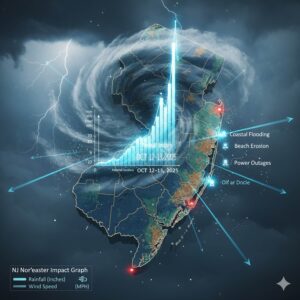 The relentless wind and rain of the October 12-13 Nor’easter felt like a gut punch to New Jersey. From Cape May’s eroded beaches to inland communities deluged by five inches of rain, our state declared a statewide emergency.
On top of the damaged homes there was the agonizing wait for aid amid a federal shutdown. This isn’t just about a bad storm; it’s about a critical moment for property owners in New Jersey.
The Nor’easter has brought the recently enacted New Jersey Flood Disclosure Law into sharp, unavoidable focus. If you’re selling, buying, or renting property in our state, this law directly impacts you.
The New Jersey Flood Disclosure Law: What You Need to Know Now
Effective mid-2025, the Real Estate Consumer Protection Enhancement Act fundamentally changed how flood risk is disclosed in New Jersey. For too long, buyers and renters were often left in the dark about potential flood vulnerabilities until it was too late. This law aims to correct that.
For Sellers: You are now legally obligated to provide comprehensive flood risk information to prospective buyers. This isn’t a simple check-box anymore. You must disclose:
- If the property is located in a flood zone.
- Any past flood damage or claims filed.
- The existence and transferability of flood insurance policies.
Failing to provide these disclosures can lead to significant legal headaches down the line – a risk amplified by recent events.
For Landlords: The law extends similar protections to renters. Landlords must now inform prospective tenants if the rental unit is in a flood zone and provide details about any previous flood damage. This is a crucial shift, empowering tenants with essential information before signing a lease.
Flood Insurance vs. Homeowner Policies: A Critical Distinction
The Nor’easter highlighted a common misconception: that standard homeowner insurance policies cover flood damage. They almost universally do not. This distinction is vital for every property owner.
- Standard Homeowner Policies: Typically cover damage from wind, hail, fire, and other perils, but exclude flood damage caused by rising water from storms, rivers, or heavy rainfall.
- Flood Insurance: Must be purchased separately, usually through the National Flood Insurance Program (NFIP) or private insurers. This is your essential protection against the type of widespread water damage we just witnessed.
If you’re dealing with flooded basements or water intrusion, understanding what your policy covers is your first step. Many are discovering, heartbreakingly, that their homeowner’s policy offers no relief.
Emerging Litigation & “Acts of God”: When to Contact a Real Estate Attorney
The widespread damage from the Nor’easter, coupled with a federal shutdown delaying aid under the Stafford Act, creates a perfect storm for potential disputes and litigation. We’re already seeing chatter about:
- Delayed Federal Reimbursements: Residents are rightly frustrated by the slow pace of aid. For those with flood insurance, understanding your rights and the obligations of the NFIP or private insurers is paramount.
- “Act of God” Exclusions: Insurance companies often invoke “Acts of God” clauses to limit liability. Proving your claim, especially if there are ambiguities about the source of the water (e.g., burst pipe vs. rising floodwaters), can be complex. An attorney can help you gather evidence and challenge unfair denials.
When is it appropriate to contact a real estate attorney?
If you’re facing any of these scenarios after the Nor’easter, it’s time to seek legal counsel:
- Your insurance claim has been denied or undervalued.
- You’re a seller concerned about potential liability under the new New Jersey Flood Disclosure Law.
- You’re a buyer who believes you were not adequately informed about flood risk.
- You’re a landlord or tenant facing disputes over property damage and responsibility.
- You’re struggling to navigate federal aid programs or understand your rights under the Stafford Act.
The Nor’easter was a powerful reminder of nature’s force. The New Jersey Flood Disclosure Law is our state’s proactive response to ensure transparency and protect property owners. Don’t navigate these turbulent waters alone. Understanding your rights and obligations now can save you significant hardship later.
If the Nor’easter left you questioning your flood insurance coverage, disclosure responsibilities, or property rights, don’t wait for the next storm to find clarity.
Contact Andrew Krantz, Real Estate Attorney at Zager Fuchs, for guidance on how the NJ Flood Disclosure Law affects your property, transactions, and legal options.
Schedule a consultation today to protect your investment and your peace of mind.